

Making money on YouTube is not easy. You already know that.
You spend hours planning, filming, editing, uploading… and then you check your revenue and feel disappointed.
The problem is not always your effort.
Many creators believe things about YouTube monetization that simply aren’t true. And those beliefs quietly keep them stuck.
If you follow the wrong advice, you:
- Focus on the wrong goals
- Waste time on weak strategies
- Miss real income opportunities
- Stay in survival mode
Let’s break down the biggest YouTube monetization myths — in simple terms — and talk about what really works.
Why Monetization Myths Are Costing You Real Money
When you believe the wrong thing, you make the wrong decisions.
For example, if you think you need a million subscribers to earn, you may delay monetizing your channel. You might wait… and wait… instead of building income streams early.
That delay costs you money.
Believing myths also creates frustration. You try harder, but you try the wrong way. That leads to burnout.
Creators who stay stuck usually:
- Chase vanity metrics
- Ignore alternative income streams
- Depend on luck instead of strategy
- Copy big creators without understanding why it works
Now let’s go myth by myth.
Myth 1: You Need 1 Million Subscribers to Make Real Money
This is one of the biggest lies on YouTube.
Subscriber count does not automatically equal income.
YouTube pays based on:
- Watch time
- Engagement
- Niche
- Ad demand
- Conversion potential
For example:
A finance channel with 5,000 engaged subscribers can earn more than
A gaming channel with 100,000 passive subscribers
Why?
Because advertisers pay more in certain niches like:
- Finance
- Business
- Software
- Investing
- Health
Also, smaller channels often have stronger communities. Their audience trusts them more. That trust leads to:
Higher click-through rates
Better affiliate conversions
More product sales
So no, you don’t need 1 million subscribers.
You need the right audience.
Myth 2: AdSense Is the Only Way to Make Money
Many creators think YouTube money = AdSense.
That’s very limiting.
AdSense is just one income stream.
And honestly, it’s often the weakest one in the beginning.
Here are other ways creators earn:
- Affiliate marketing
- Sponsorships
- Selling digital products
- Coaching or services
- Channel memberships
- Merchandise
For example:
Promote a software tool → earn commission
Sell a simple ebook → keep most of the profit
Offer consulting → earn more from one client than a month of ads
If you depend only on AdSense, your income depends on:
- Views
- CPM rates
- YouTube’s policy changes
That’s risky.
Smart creators build multiple income streams.
Myth 3: More Videos = More Money
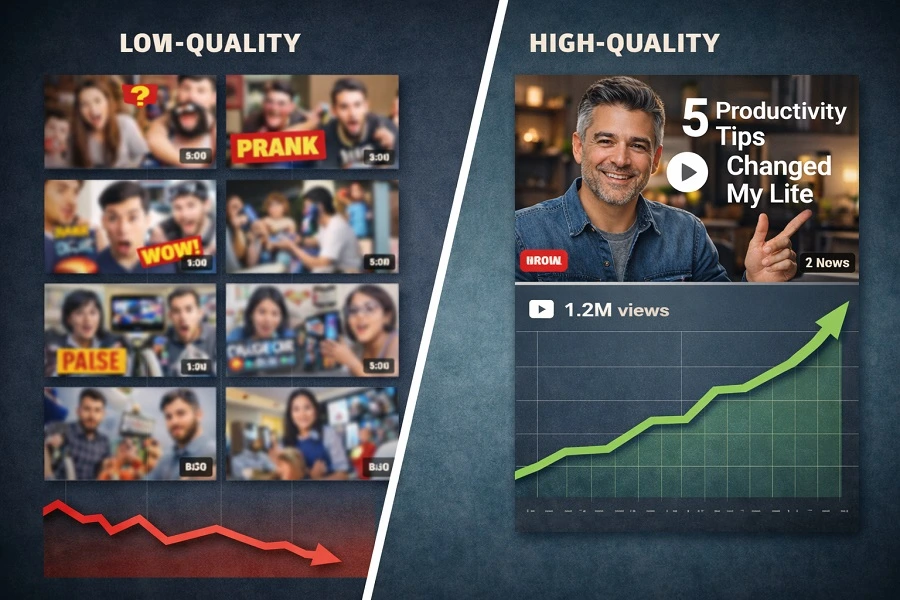
Uploading more videos does not automatically increase revenue.
Quality matters more than quantity.
If you upload daily but your videos:
- Don’t hold attention
- Don’t solve problems
- Don’t attract search traffic
Then your revenue won’t grow much.
YouTube’s algorithm prefers:
- High watch time
- Strong engagement
- Audience retention
- Consistent value
One high-quality, search-based video can earn for years.
Ten rushed videos can disappear in a week.
Consistency is important. But strategy matters more than volume.
Myth 4: You Need Expensive Equipment to Get Monetized
Many creators delay starting because they don’t have:
- A professional camera
- Studio lighting
- Expensive microphones
Here’s the truth.
YouTube cares more about:
- Watch time
- Engagement
- Relevance
- Viewer satisfaction
Many successful creators started with:
- Smartphone cameras
- Basic lighting
- Simple editing
If your content solves a real problem, people will watch.
Clear audio matters more than cinematic visuals.
Start simple. Improve over time.
Don’t wait for perfect equipment.
Myth 5: Going Viral Guarantees Wealth
Going viral feels exciting.
One video gets 500,000 views. You think, “This is it.”
But viral success is usually temporary.
Here’s what often happens:
- Revenue spikes
- Views drop quickly
- Income returns to normal
Viral content is unpredictable.
Also, viral videos often attract broad audiences, not buyers.
Instead of chasing virality, build:
- Search-based content
- Evergreen tutorials
- Problem-solving videos
Search content compounds.
Viral content spikes and fades.
Long-term money comes from systems, not luck.
Myth 6: Monetization Happens Overnight

Many creators expect fast results.
They upload 10 videos and expect steady income.
But YouTube monetization is slow at first.
Growing a profitable channel depends on:
- Niche
- Consistency
- Strategy
- Audience trust
Some channels monetize in months.
Others take a year or more.
In your first year, focus on:
- Learning your audience
- Improving content quality
- Testing topics
- Building consistency
- Studying analytics
Monetization is a process.
Think long-term.
Myth 7: Your Niche Doesn’t Matter
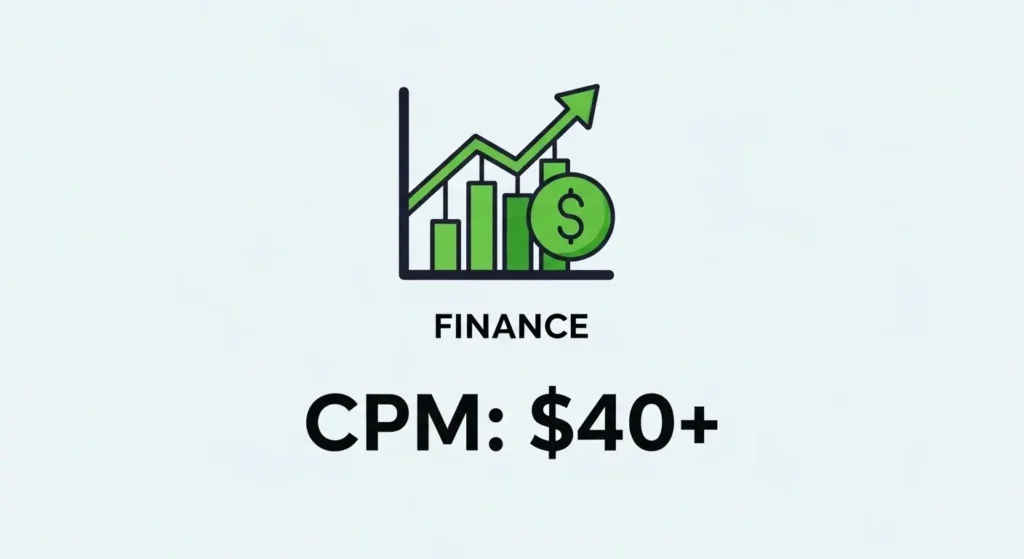
Your niche matters a lot.
Some niches pay 5 to 10 times more than others.
High-paying niches include:
- Finance
- Technology
- Business tools
- Online education
- Health
Why?
Because advertisers compete harder in those spaces.
If your niche has:
- Low advertiser demand
- Weak buying intent
Then CPM will be lower.
That doesn’t mean you must switch niches.
But it does mean you should:
- Add monetizable angles
- Include product-based content
- Target buyer-intent keywords
- Position your content where money flows.
Myth 8: Small Channels Can’t Get Brand Deals
Brands don’t only look at subscriber count anymore.
They look at:
- Engagement rate
- Audience trust
- Niche alignment
- Content quality
A small channel with 3,000 loyal subscribers can be more valuable than a big channel with weak engagement.
Micro-influencers often earn good rates because:
- Their audience is targeted
- Their recommendations feel personal
- Their content feels authentic
To attract brand deals:
- Build a strong niche identity
- Create clean, professional content
- Show engagement stats
- Reach out to brands strategically
Size is not everything.
Influence matters more.
Myth 9: CPM Is the Most Important Metric
CPM shows how much advertisers pay per 1,000 views.
It matters.
But it’s not everything.
Other important metrics include:
- Watch time
- Click-through rate
- Audience retention
- Engagement rate
- Conversion rate
You could have a high CPM but low engagement.
Or you could have moderate CPM but high affiliate sales.
Revenue depends on your entire monetization system — not just CPM.
Engaged audiences earn more in the long run.
What Actually Works on YouTube
Now let’s simplify everything.
Here’s the real monetization strategy that works.
- 1. Diversify Your Income
Don’t rely on one source.
- Combine:
- AdSense
- Affiliate marketing
- Digital products
- Sponsorships
- Services
- Multiple streams = stability.
2. Build a Loyal Audience
Focus on:
- Solving real problems
- Speaking clearly
- Posting consistently
- Engaging in comments
Trust turns viewers into buyers.
3. Create Advertiser-Friendly Content
High-quality content attracts:
- Better brands
- Higher CPM
- More partnerships
Think long-term reputation.
Conclusion
YouTube monetization myths keep creators stuck.
They make you focus on:
- Subscriber count
- Viral dreams
- Equipment
- Quick results
Instead of:
- Strategy
- Systems
- Audience trust
- Multiple income streams
If you want to grow financially on YouTube, stop chasing myths.
Start building assets.
Understand how monetization really works.
Then act with intention.
Your income will reflect your strategy.
FAQ
Do I need 1 million subscribers to make money?
No. Many creators earn with small but engaged audiences.
Is AdSense enough to build income?
Usually no. Diversifying income streams is smarter.
Do I need expensive equipment?
No. Good content and clear audio matter more than expensive gear.
How long does monetization take?
It varies. Many channels take months or a year to build steady income.
Can small channels get brand deals?
Yes. Brands value engagement and niche relevance more than size.
If you stop believing myths and start building real systems, your channel can become a business — not just a hobby.