If you are serious about growing on YouTube, you need to think beyond your channel.
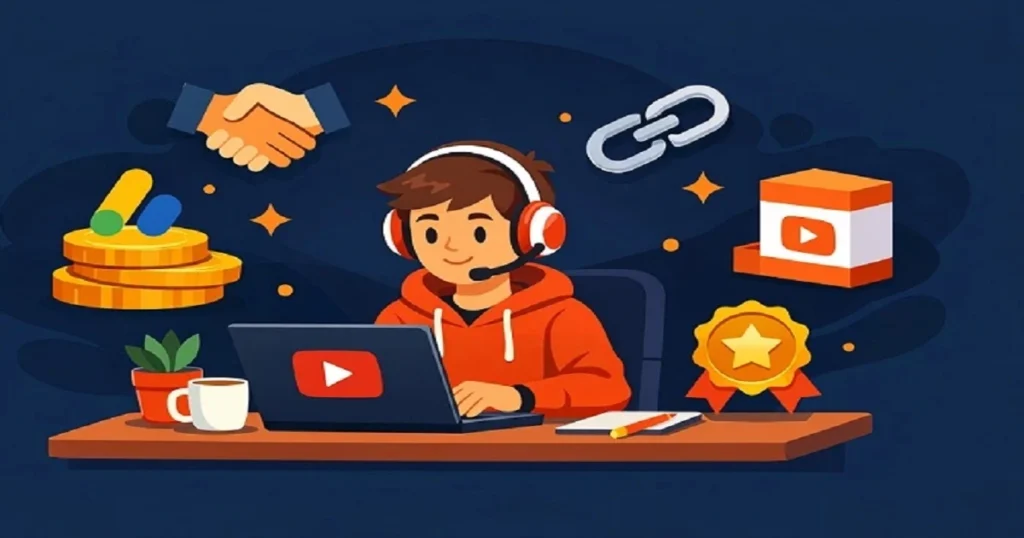
Yes, YouTube is powerful. However, it is not your platform. It belongs to Google. Therefore, your traffic, income, and audience access can change overnight.
So here’s the real question:
Why every YouTuber needs a website?
Because a website gives you control, stable income opportunities, better SEO visibility, email list growth, and long-term business security.
In this guide, you will learn exactly why having a website is no longer optional for creators in 2026. More importantly, you will see how a simple website can transform your channel into a real online business.
Let’s break it down step by step.
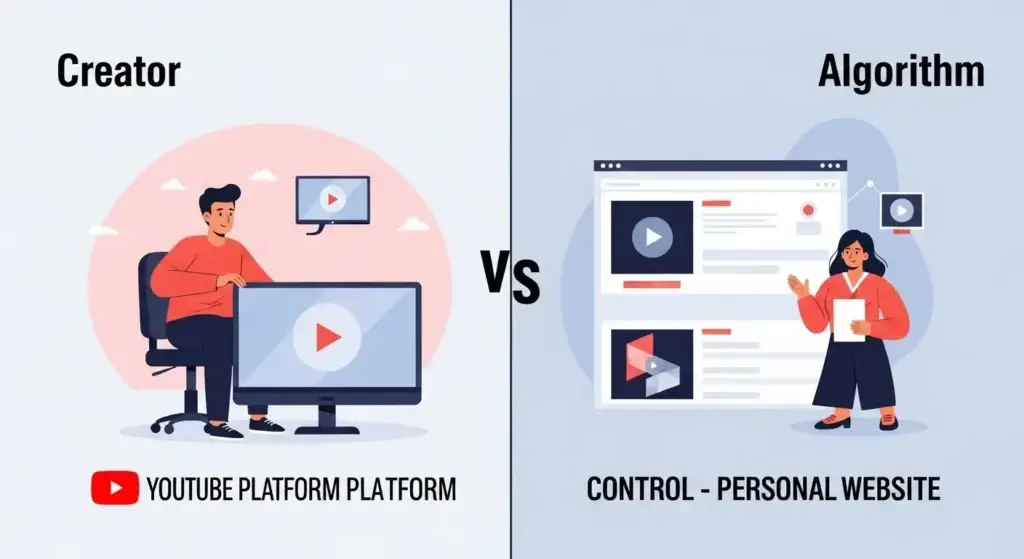
You Don’t Own YouTube — But You Own Your Website
Many creators forget one important truth.
YouTube can change:
- The algorithm
- Monetization rules
- Ad policies
- CPM rates
- Community guidelines
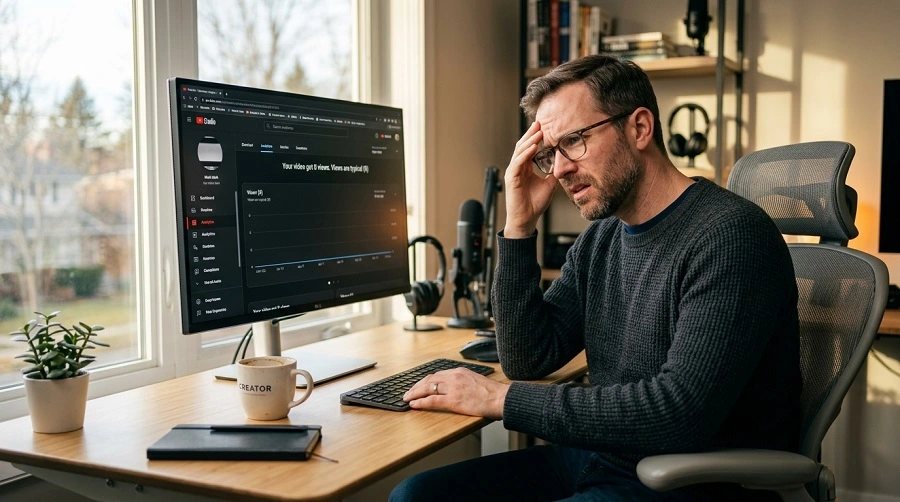
As a result, your views can drop. Your income can shrink. Your account can even be suspended.
However, when you own a website:
- You control the content
- You control the monetization
- You control the email list
- You control the brand
Therefore, a website protects your business from platform risk.
What Happens If Your Channel Gets Demonetized?
If your only income comes from AdSense, you are vulnerable.
On the other hand, if you have:
- Affiliate blog posts
- Digital product sales pages
- Email marketing funnels
- Sponsored articles
You still earn even if YouTube revenue drops.
That is why smart creators treat YouTube as a traffic source — not the business itself.
A Website Helps You Rank on Google (Double Traffic Strategy)
YouTube is the second largest search engine. However, Google is still number one.
When you publish blog posts that match your videos, you can:
- Rank on Google search
- Appear in featured snippets
- Target low competition long tail keywords
- Get traffic outside YouTube
For example, instead of only making a video about “best beginner microphones,” you can write a detailed blog post targeting:
- “best budget microphone for beginner YouTubers 2026”
- “cheap microphone for small YouTube channel setup”
- “USB microphone under $100 for content creators”
These longer phrases are easier to rank for. Therefore, you get organic traffic consistently.
Featured Snippet Opportunity
If you structure your website content clearly with:
- Short paragraphs
- Bullet points
- Clear definitions
- Step-by-step answers
Google may place your content in the featured snippet box.
That means:
Higher click-through rate
More authority
Free targeted traffic
This is something YouTube alone cannot give you.
Build an Email List (Your Most Valuable Asset)
Algorithms change. Email does not.
When you send YouTube viewers to your website, you can offer:
- A free checklist
- A free guide
- A free template
- A free mini-course
In exchange, they give you their email address.
Now you own that relationship.
Why Email Marketing Matters
With email, you can:
- Launch products
- Promote affiliate links
- Announce new videos
- Share exclusive content
- Sell services
Most importantly, you are not depending on YouTube notifications.
Therefore, your website becomes the bridge between YouTube and your email list.
Without a website, building an email list is much harder.
Higher Income Than AdSense
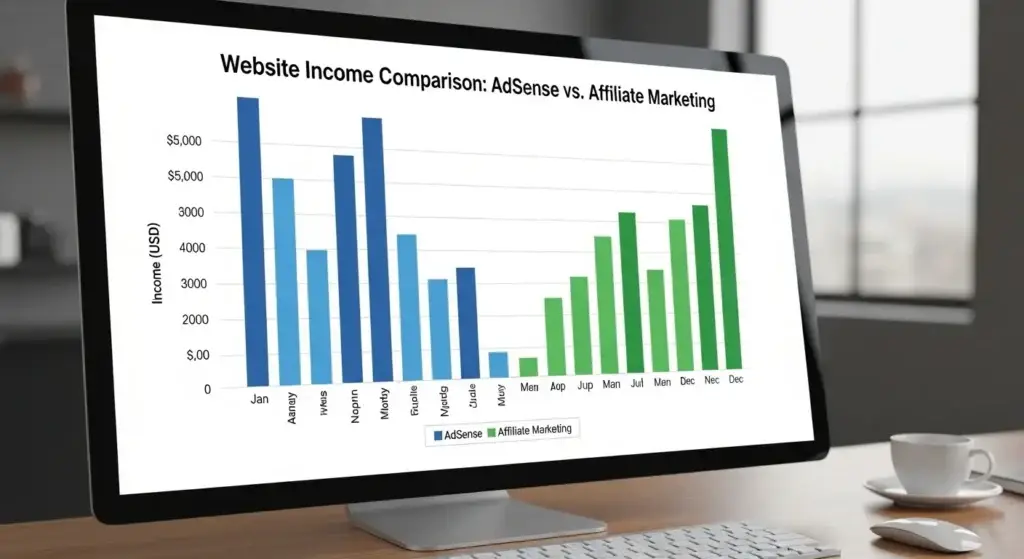
AdSense pays per 1,000 views.
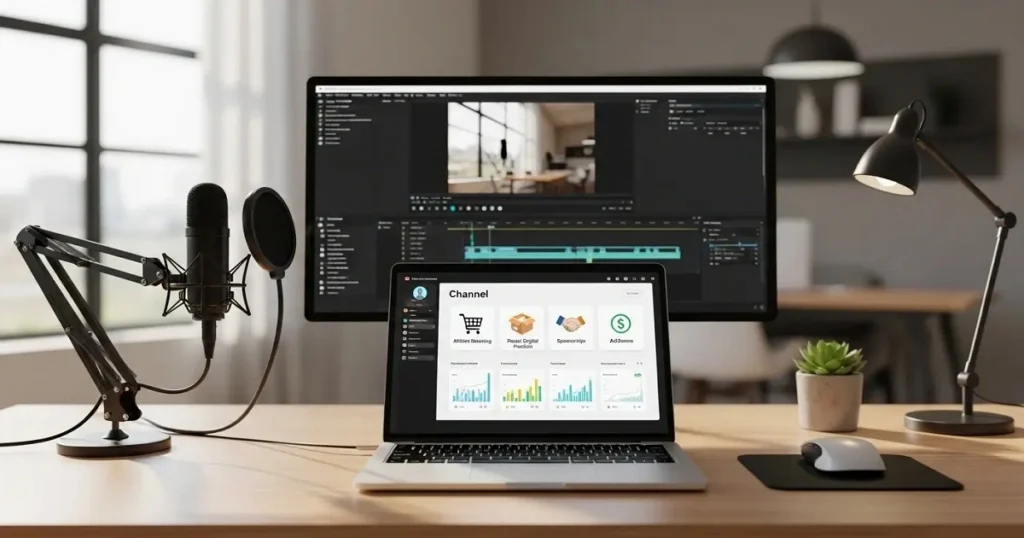
However, a website allows you to monetize differently:
- Affiliate marketing
- Sponsored blog posts
- Digital products
- Courses
- Services
- Membership areas
For example:
One affiliate sale from a blog post can earn $100.
Meanwhile, 1,000 YouTube views might earn only $3 to $8.
So instead of chasing views, you build systems.
Website Monetization Methods That Work in 2026
Here are proven low competition monetization ideas:
- Review articles targeting buyer intent keywords
- Comparison posts (Tool A vs Tool B)
- “Best tools for beginners” lists
- Case studies
- Step-by-step tutorials
- Downloadable templates
These types of posts convert readers into buyers.
Stronger Personal Brand Authority
When someone searches your name on Google, what appears?
If it’s only YouTube, you look like a creator.
However, if you also have:
- A professional website
- About page
- Services page
- Press mentions
- Blog content
You look like a business owner.
That difference matters.
Brands prefer working with creators who have:
- Professional branding
- Clear positioning
- Media kits
- Owned platforms
Therefore, a website increases sponsorship opportunities.
Better Control Over Affiliate Marketing
On YouTube, affiliate links go in descriptions. Many viewers never open them.
However, on a website:
- You can write detailed reviews
- Add comparison tables
- Include FAQs
- Add clear call-to-action buttons
This increases conversions.
For example:
Instead of saying, “Link in description,”
you create a blog post optimized for:
“Is [Tool Name] worth it for beginners?”
“Honest review of [Software] for small YouTube channels”
These long tail keywords often have low competition but strong buyer intent.
That means fewer visitors — but higher earnings.
You Create Evergreen Content That Compounds
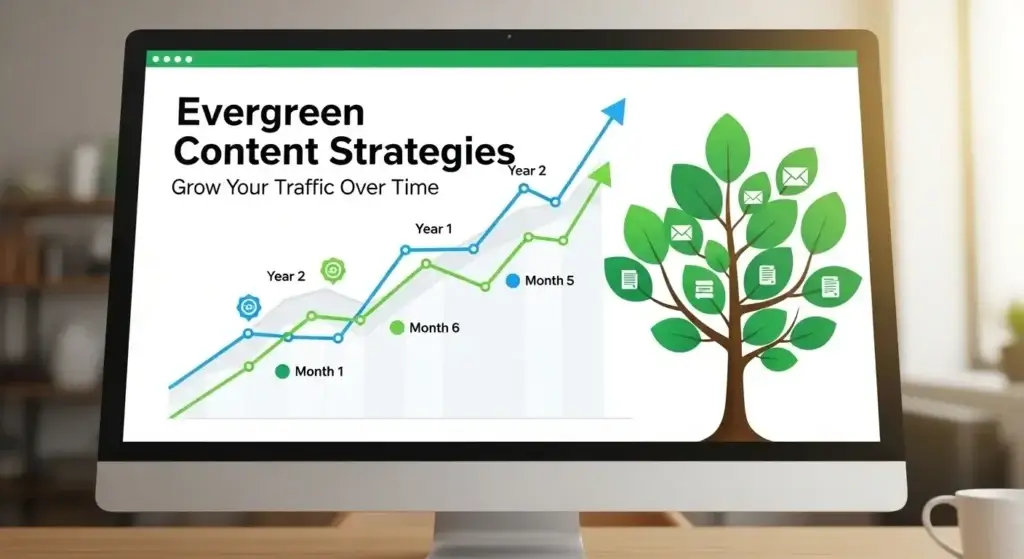
YouTube videos can lose traffic quickly. However, blog posts can rank for years.
If you publish:
- SEO tutorials
- Equipment reviews
- Strategy guides
- Business case studies
These can bring traffic long term.
Therefore, your website becomes an asset.
Instead of starting from zero every month, you build momentum.
Easier Product Launches
If you ever want to sell:
- Online courses
- Coaching programs
- Templates
- Digital downloads
- Membership access
You need a website.
While platforms exist, owning your own site gives you:
- Pricing control
- Checkout flexibility
- Upsell options
- Funnel creation
- Analytics tracking
In addition, you can create sales pages optimized for:
Conversion
SEO
Buyer intent keywords
This makes your income more predictable.
Protect Your Business From Algorithm Changes
Let’s be realistic.
YouTube can:
- Change monetization rules
- Reduce reach
- Increase competition
- Promote Shorts over long-form
If your entire income depends on one algorithm, you are exposed.
However, when you combine:
YouTube + Website + Email List
You create a multi-channel system.
Therefore, if one traffic source slows down, others continue working.
Turn Your Channel Into a Real Online Business
Here’s the difference:
A YouTube channel is content.
A website is infrastructure.
With a website, you can build:
- Funnels
- Lead magnets
- Product pages
- Landing pages
- Affiliate hubs
- Blog silos
This structure helps search engines understand your expertise.
It also helps readers move naturally from:
Visitor → Subscriber → Customer
Without a website, that path is weak.
Quick Summary: Why Every YouTuber Needs a Website
- You own your platform
- You protect your income
- You rank on Google
- You build an email list
- You increase affiliate conversions
- You launch products easier
- You attract better sponsors
- You build long-term authority
In short, YouTube brings traffic.
Your website turns traffic into business.
Conclusion: Stop Building Only on Rented Land
YouTube is powerful. However, it should not be your only foundation.
If you want stability, control, and scalable income, you need a website.
Start simple.
You do not need:
- A complex design
- 100 blog posts
- Expensive tools
Instead, begin with:
- A homepage
- A blog section
- An email opt-in
- One strong pillar article
Then grow step by step.
The creators who win in 2026 will not be the ones with the most views.
They will be the ones who build real systems.
If you are serious about turning your YouTube channel into a real online business, start your website this week.
- Choose one niche topic.
- Write one optimized article.
- Add one email opt-in.
- Then connect it to your YouTube content.